
THE PROCESS OF CREATING A VIDEO FOR YOU
PHASE 1: PRE-PRODUCTION
1. The Creative Stage
Similar to filmmaking, 2D animation production involves three main phases: pre-production, production, and post-production. To ensure a high-quality final product, the initial preparation stage is crucial. It serves as the foundation that guides the entire production process.
- Defining the Requirements and Purpose of the Video: Determining the video’s requirements and objectives begins with a deep understanding of the client’s brand, products, and services. Before designing characters or developing scripts, we dedicate time to thoroughly explore your goals and style. Simultaneously, we analyze the target audience to ensure the video effectively communicates its message and aligns with your business needs and objectives.
- Seeking Inspiration: After establishing the objectives, Mytoon draws creative inspiration from current trends, successful media strategies, and your brand identity. This enables us to craft a unique product while maintaining alignment with your brand values.
- Developing Concepts: Building on the inspiration and insights gathered, we develop video concepts that are engaging, easy to understand, and aligned with strategic goals. This step is crucial in constructing a script that leaves a strong impact.
2. Scriptwriting
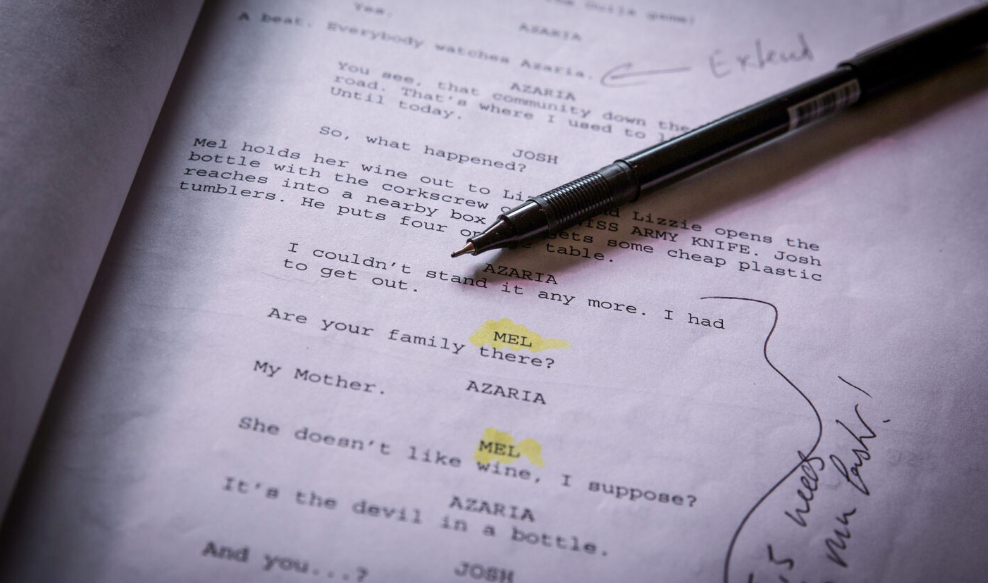
Once the concept is defined, scriptwriters begin creating the storyline, dialogues, and scene descriptions. The scriptwriting process breathes life into the story. Starting from a core idea, the script builds a world of characters, relationships, and dramatic scenarios. Dialogues are carefully crafted to reflect characters’ personalities and motivations, while scenes are meticulously described—from movements to settings—offering a vivid depiction of each moment. The script serves as a solid foundation for subsequent design and animation stages, ensuring a vibrant and captivating final product.
3. Storyboard
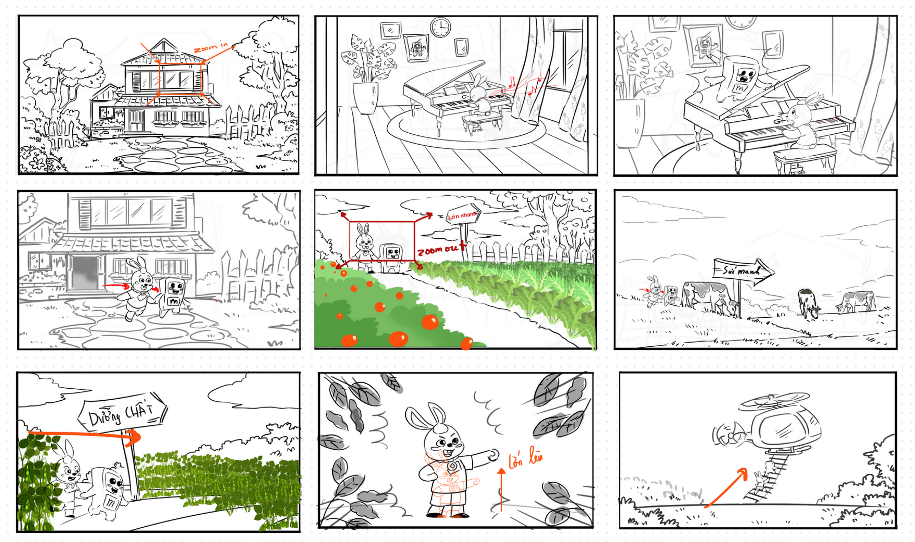
A storyboard is a visual representation that includes a sequence of images and accompanying notes outlining the narrative progression. It is essentially a draft for each scene of the video or film. Storyboards also detail camera angles, lighting, and transitions.
Mytoon provides a preliminary storyboard detailing the storyline, timing, and scene transitions for client review and approval before moving to the production phase.
4. Style Frames and Character Design
The character design process in animated films begins with stylistic directions established during the pre-production phase. This serves as the foundation for visual designers to build and develop the characters’ appearances. The depth and personality of each character are further refined and brought to life through the ideas and creativity of the screenwriters.

PHASE 2: PRODUCTION
1. Background Design
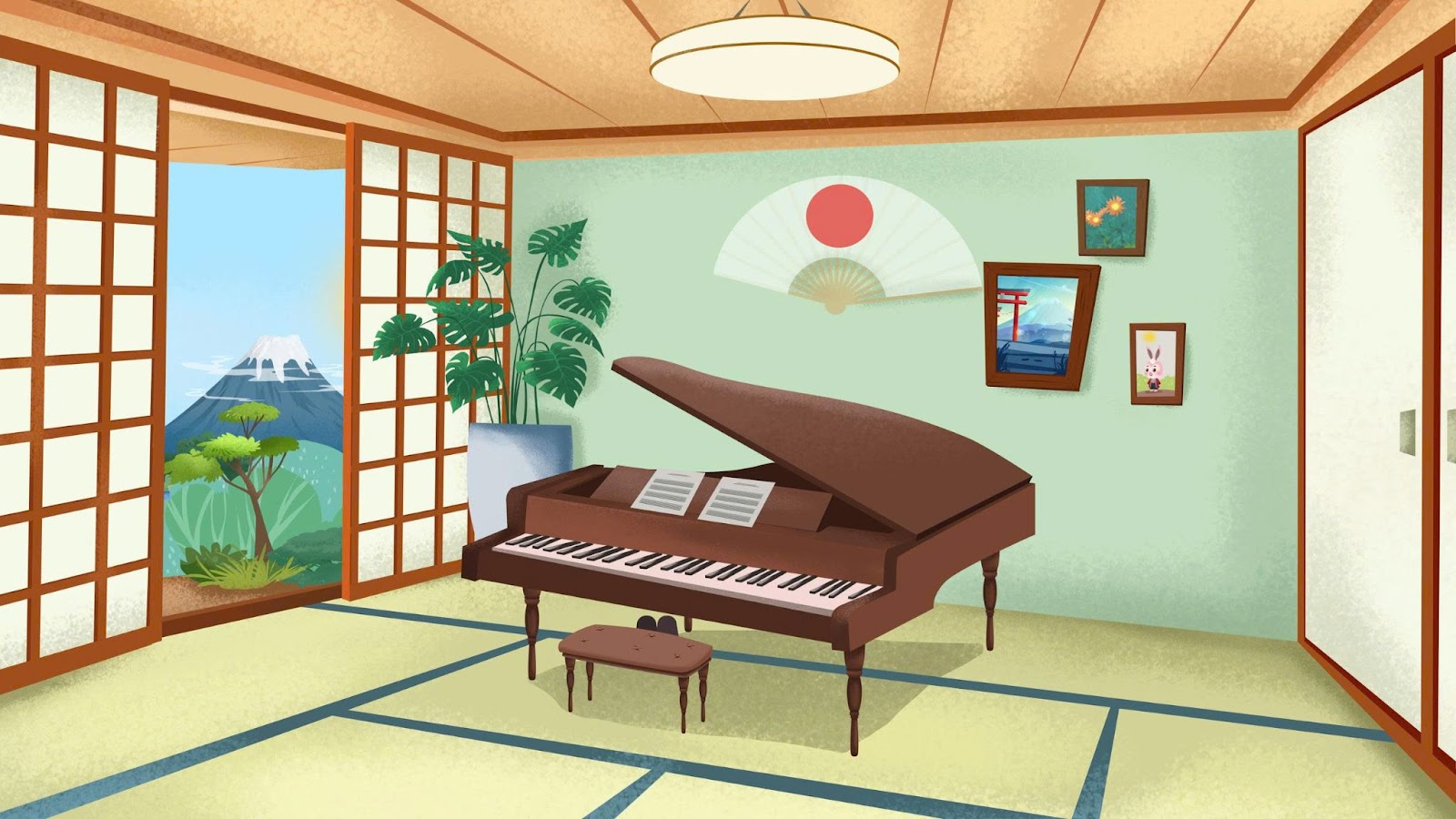
Background creation breathes life into the animated world, where each scene not only provides a backdrop but also tells its own story. This step is critical in establishing settings and portraying interactions between characters and their environment.
Backgrounds range from bustling cities to mystical forests, cozy rooms to vast mountains. Every detail contributes to the mood and emotions of the characters.
Skilled background artists handle this process, which involves thumbnail sketches, drafts, line work, coloring, and adding effects. The result is a dynamic and evocative space for the narrative.
2. Animation
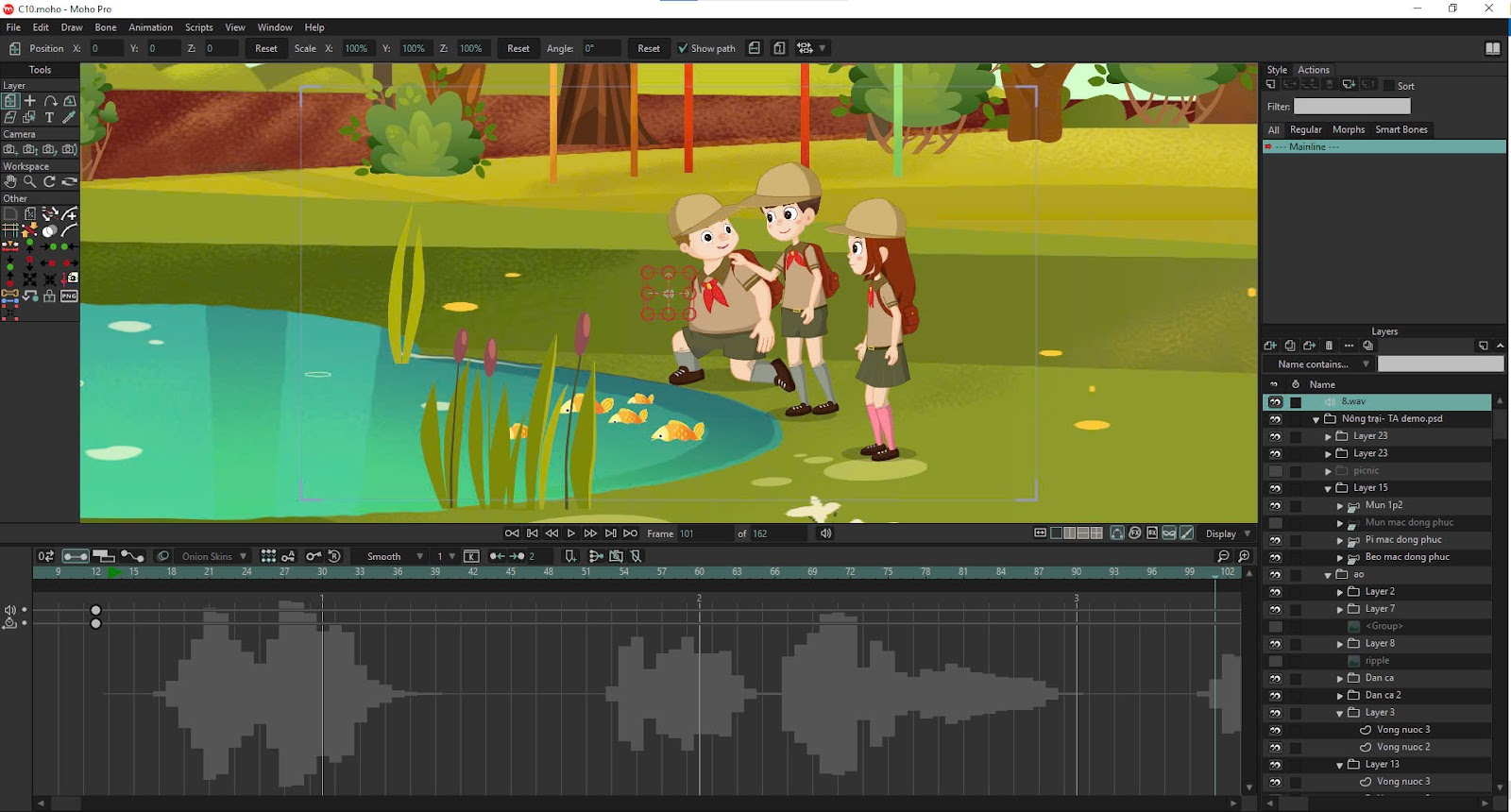
Animation, derived from the word “animate,” brings characters to life. It is the art of infusing static images with movement, imbuing every gesture with meaning and emotion. From a blink to a leap, every action conveys a sense of vitality, making characters appear as though they can laugh, cry, and think. Animation is more than movement—it is a powerful emotional language that enables viewers to experience the story and its magical world.
PHASE 3: POST-PRODUCTION
Post-production is the final phase where all elements—animation, sound, color, and effects—are refined to deliver a seamless and high-quality viewing experience. This stage doesn’t create new content but enhances and smooths out the existing material.

1. Composition, Editing, and Color Grading
After completing the backgrounds and animation, the composition stage integrates these elements into a cohesive animated product. It involves adjusting composition, color, and lighting to create harmony and realism. Backgrounds extend the story’s depth, while character movements synchronize seamlessly with their surroundings. Lighting highlights key aspects, and color corrections ensure consistency, making every frame dynamic and emotionally resonant.
2. Voiceover, Music, and Sound Design
Voiceover, Sound Effects, and Music: In 2D animation, voiceovers, sound effects, and music are crucial elements that bring the story to life and enhance its emotional depth.
- Voiceovers: Infuse characters with life and emotions, fostering deeper audience engagement.
- Sound Effects: Elements like footsteps, collisions, or ambient sounds enhance realism and depth.
- Music: The soundtrack shapes the mood and emotions of each scene, providing a cohesive and captivating narrative flow.
Properly blending these components results in a complete and impactful viewing experience.
3. Delivering the Final Product
- Gathering Feedback: Following client review of the initial draft, feedback on aspects such as design, sound, and motion is collected.
- Implementing Revisions: Adjustments are made based on feedback to ensure the product meets all requirements.
- Final Review and Approval: A meticulous review is conducted to ensure the highest quality, free of errors.
- Final Delivery: The completed product, along with all relevant files and documentation, is handed over to the client.

Thông qua việc kể chuyện, thương hiệu có thể truyền đạt giá trị cốt lõi, lịch sử, sứ mệnh, và tầm nhìn của mình, giúp khách hàng hiểu rõ hơn về thương hiệu và tạo ra một mối liên kết chặt chẽ. Mytoon sẽ giúp bạn viết nên câu chuyện của mình, tạo nhiều điểm chạm cảm xúc với khán giả.
Ý Tưởng Ban Đầu
Khởi Đầu Với Ý Tưởng
- Nghiên cứu và cảm hứng: Bắt đầu bằng việc nghiên cứu các tác phẩm hoạt hình thành công, cũng như tìm kiếm cảm hứng từ cuộc sống hàng ngày, sách báo, phim ảnh, và các câu chuyện dân gian.
- Brainstorming: Tổ chức các buổi brainstorm với đội ngũ sáng tạo để đưa ra nhiều ý tưởng khác nhau để không bỏ sót bất kỳ ý tưởng tiềm năng nào.
Xác Định Đối Tượng Khán Giả
- Độ tuổi và sở thích: Xác định đối tượng khán giả mục tiêu là ai (trẻ em, thanh thiếu niên, người lớn) và những sở thích, mối quan tâm của họ.
- Nội dung phù hợp: Đảm bảo rằng ý tưởng của bạn phù hợp với đối tượng khán giả đã xác định, bao gồm cả ngôn ngữ, nội dung và thông điệp.
Logline
- Tóm tắt ý tưởng: Mô tả ngắn gọn và súc tích về cốt truyện chính từ 1-2 câu.
- Định hướng câu chuyện: Giúp định hướng câu chuyện và giữ cho các yếu tố cốt truyện luôn liên kết chặt chẽ với nhau.
Phát Triển Câu Chuyện
Xây Dựng Cốt Truyện
- Outline: Tạo một bản phác thảo sơ bộ của cốt truyện, xác định các sự kiện chính và mạch phát triển của câu chuyện với cấu trúc ba hồi (beginning, middle, end) để phát triển câu chuyện một cách logic và mạch lạc.
Phát Triển Nhân Vật
- Nhân vật chính: Xây dựng các nhân vật chính – linh vật thương hiệu có chiều sâu, bao gồm cả đặc điểm ngoại hình, tính cách và động lực.
- Nhân vật phụ: Tạo ra các nhân vật phụ hỗ trợ câu chuyện và làm nổi bật nhân vật chính, đồng thời xây dựng mối quan hệ giữa các nhân vật để tạo nên sự tương tác và phát triển câu chuyện.
Viết Kịch Bản
Kịch Bản Phác Thảo
- Bắt đầu viết: Bắt đầu viết kịch bản dựa trên outline đã phát triển. Đảm bảo rằng mỗi cảnh đều có mục đích rõ ràng và đóng góp vào sự phát triển của cốt truyện.
- Lời thoại: Viết lời thoại cho các nhân vật, đảm bảo rằng chúng tự nhiên và phù hợp với tính cách của nhân vật.
Phản Hồi và Chỉnh Sửa
- Nhận phản hồi: Đưa kịch bản cho các thành viên trong đội ngũ hoặc những người đọc thử để nhận phản hồi.
- Chỉnh sửa: Dựa trên phản hồi nhận được, tiến hành chỉnh sửa và cải thiện kịch bản. Quá trình này có thể lặp đi lặp lại nhiều lần để đảm bảo chất lượng.
Storyboard và Kịch Bản Hình Ảnh
Tạo Storyboard
- Phác thảo cảnh quay: Chuyển đổi kịch bản thành storyboard, phác thảo các cảnh quay chính và cách chúng sẽ được trình bày trên màn hình.
- Chi tiết hình ảnh: Đảm bảo rằng storyboard bao gồm đủ chi tiết để các họa sĩ và animator có thể hiểu rõ và thực hiện.
Kịch Bản Hình Ảnh (Animatic)
Animatic: Tạo một phiên bản thô của bộ phim bằng cách ghép nối các hình ảnh từ storyboard cùng với âm thanh (lời thoại, âm nhạc và hiệu ứng âm thanh). Animatic giúp kiểm tra mạch truyện và thời lượng của các cảnh.
Chỉnh sửa & Hoàn thiện
Chỉnh Sửa Nội Dung
- Cải thiện lời thoại: Kiểm tra và chỉnh sửa lời thoại của nhân vật sao cho tự nhiên, phù hợp với tính cách và tình huống.
- Tối ưu hóa mô tả hành động: Đảm bảo các mô tả hành động rõ ràng và dễ hiểu để các họa sĩ và animator có thể thực hiện một cách chính xác. Loại bỏ những chi tiết không cần thiết hoặc những đoạn văn dư thừa để làm cho kịch bản súc tích và hiệu quả hơn.
Hoàn Thiện Kịch Bản
- Bản cuối cùng: Sau khi đã thực hiện tất cả các chỉnh sửa và điều chỉnh cần thiết, tạo ra bản cuối cùng của kịch bản. Đảm bảo rằng bản này là phiên bản hoàn chỉnh và sẵn sàng cho giai đoạn sản xuất.
- Phân phối kịch bản: Gửi bản cuối cùng của kịch bản cho tất cả các thành viên liên quan trong đội ngũ sản xuất để hiện thực hóa câu chuyện của bạn.
Một ý tưởng tuyệt vời được trau chuốt kỹ lưỡng sẽ dễ dàng chạm tới cảm xúc của khán giả. Kể câu chuyện về thương hiệu thật mới nhưng không mất đi những bản sắc vốn có là điều mà Mytoon luôn hướng đến trong hành trình chắp cánh cho doanh nghiệp.