
PHASE 1: PRE-PRODUCTION
1. The Creative Stage
Similar to filmmaking, 2D animation production involves three main phases: pre-production, production, and post-production. To ensure a high-quality final product, the initial preparation stage is crucial. It serves as the foundation that guides the entire production process.
- Defining the Requirements and Purpose of the Video: Determining the video’s requirements and objectives begins with a deep understanding of the client’s brand, products, and services. Before designing characters or developing scripts, we dedicate time to thoroughly explore your goals and style. Simultaneously, we analyze the target audience to ensure the video effectively communicates its message and aligns with your business needs and objectives.
- Seeking Inspiration: After establishing the objectives, Mytoon draws creative inspiration from current trends, successful media strategies, and your brand identity. This enables us to craft a unique product while maintaining alignment with your brand values.
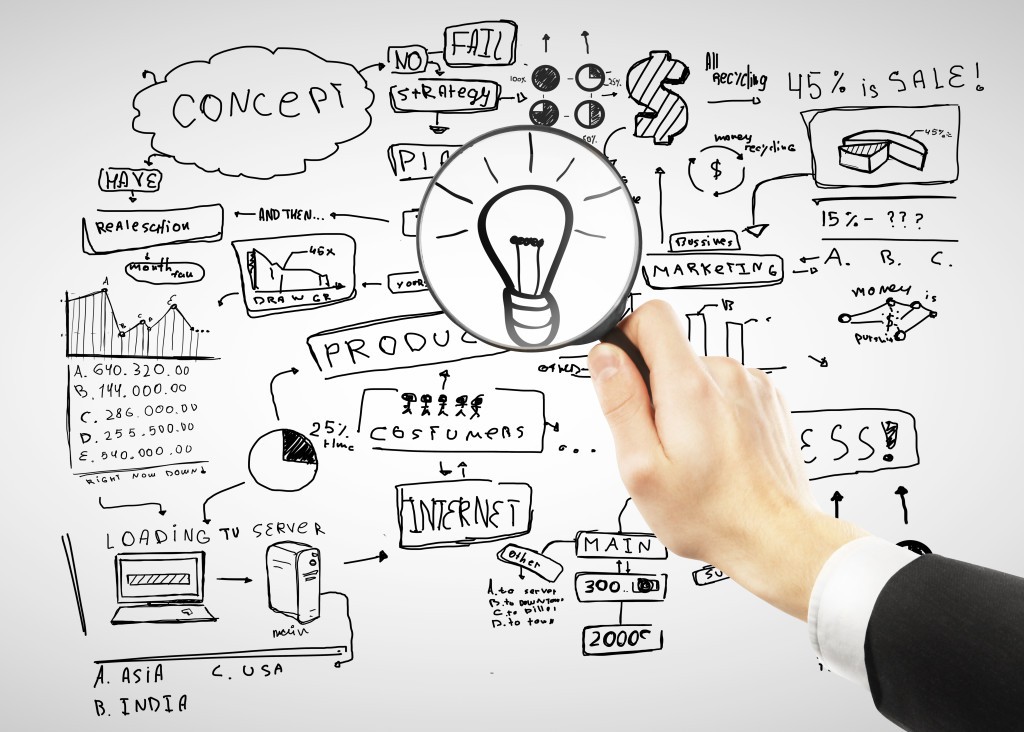
- Developing Concepts: Building on the inspiration and insights gathered, we develop video concepts that are engaging, easy to understand, and aligned with strategic goals. This step is crucial in constructing a script that leaves a strong impact.
2. Scriptwriting
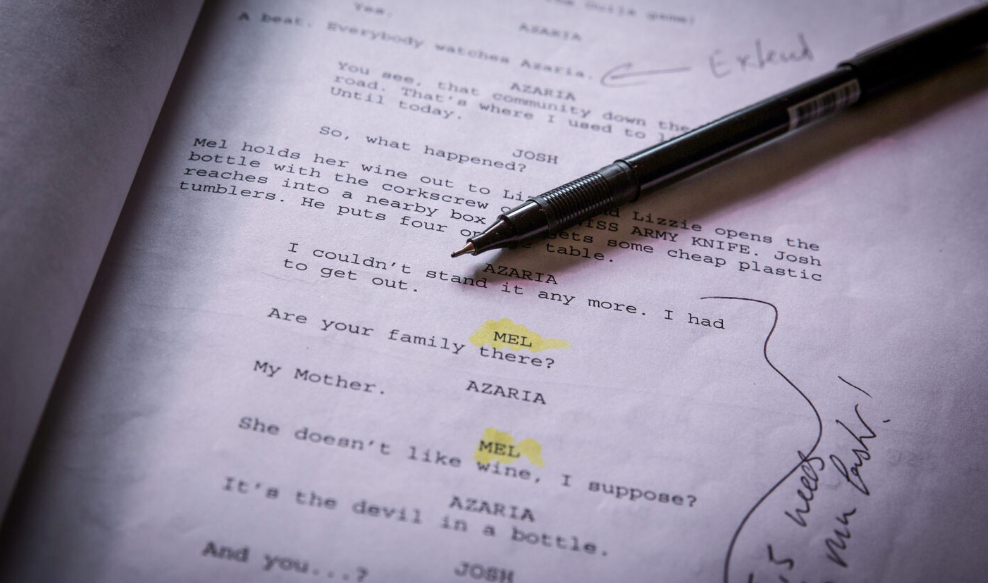
Once the concept is defined, scriptwriters begin creating the storyline, dialogues, and scene descriptions. The scriptwriting process breathes life into the story. Starting from a core idea, the script builds a world of characters, relationships, and dramatic scenarios. Dialogues are carefully crafted to reflect characters’ personalities and motivations, while scenes are meticulously described—from movements to settings—offering a vivid depiction of each moment. The script serves as a solid foundation for subsequent design and animation stages, ensuring a vibrant and captivating final product.
3. Storyboard
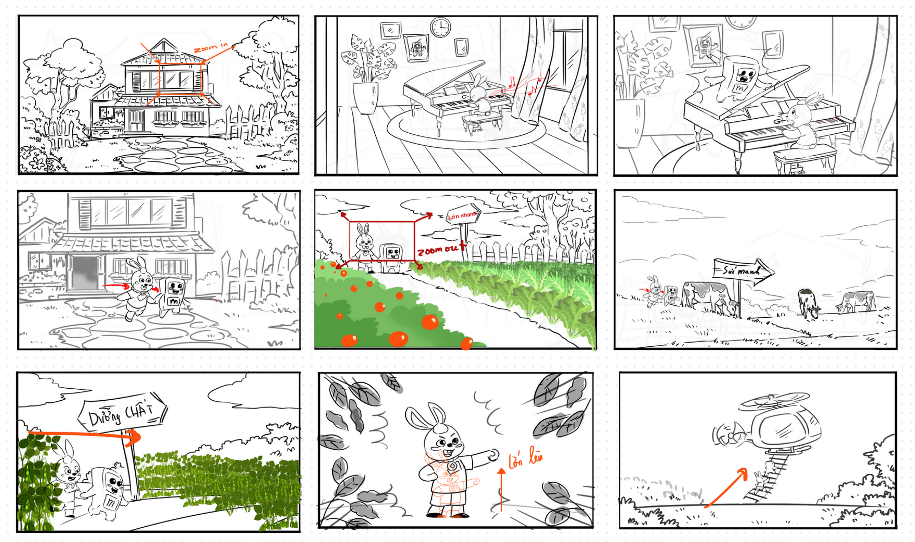
A storyboard is a visual representation that includes a sequence of images and accompanying notes outlining the narrative progression. It is essentially a draft for each scene of the video or film. Storyboards also detail camera angles, lighting, and transitions.
Mytoon provides a preliminary storyboard detailing the storyline, timing, and scene transitions for client review and approval before moving to the production phase.
4. Style Frames and Character Design
The character design process in animated films begins with stylistic directions established during the pre-production phase. This serves as the foundation for visual designers to build and develop the characters’ appearances. The depth and personality of each character are further refined and brought to life through the ideas and creativity of the screenwriters.

PHASE 2: PRODUCTION
1. Background Design
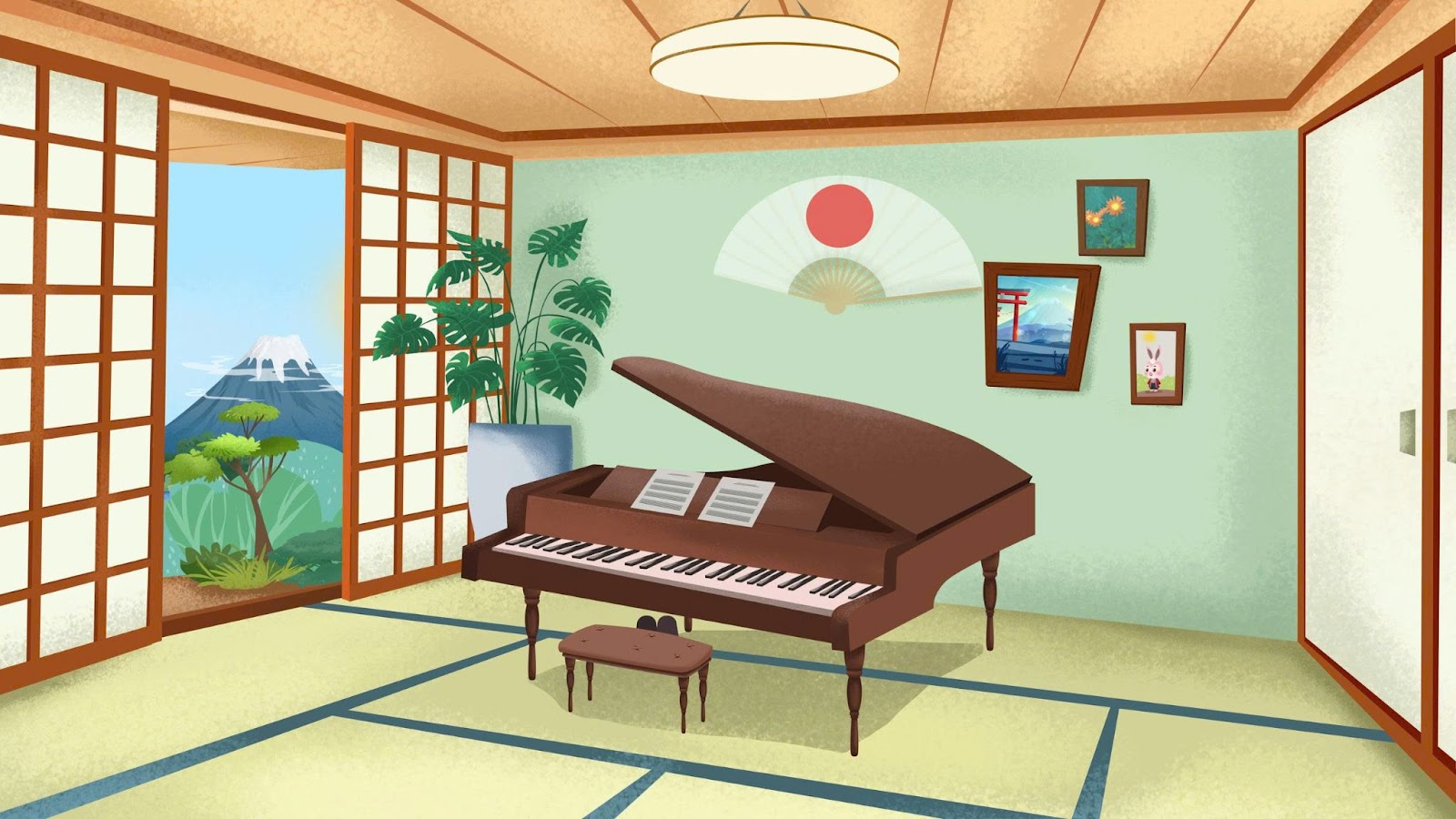
Background creation breathes life into the animated world, where each scene not only provides a backdrop but also tells its own story. This step is critical in establishing settings and portraying interactions between characters and their environment.
Backgrounds range from bustling cities to mystical forests, cozy rooms to vast mountains. Every detail contributes to the mood and emotions of the characters.
Skilled background artists handle this process, which involves thumbnail sketches, drafts, line work, coloring, and adding effects. The result is a dynamic and evocative space for the narrative.
2. Animation
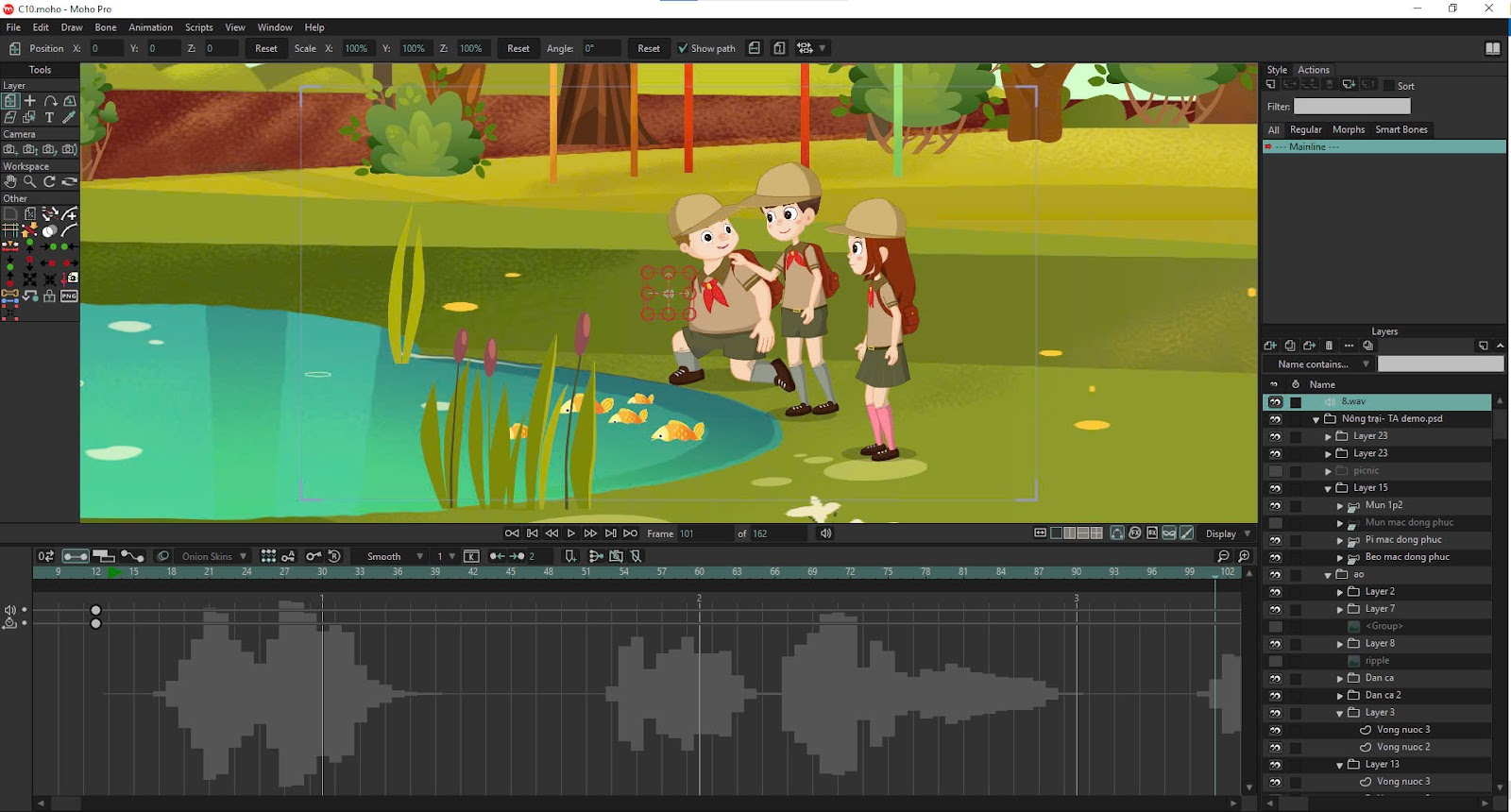
Animation, derived from the word “animate,” brings characters to life. It is the art of infusing static images with movement, imbuing every gesture with meaning and emotion. From a blink to a leap, every action conveys a sense of vitality, making characters appear as though they can laugh, cry, and think. Animation is more than movement—it is a powerful emotional language that enables viewers to experience the story and its magical world.
PHASE 3: POST-PRODUCTION
Post-production is the final phase where all elements—animation, sound, color, and effects—are refined to deliver a seamless and high-quality viewing experience. This stage doesn’t create new content but enhances and smooths out the existing material.

1. Composition, Editing, and Color Grading
After completing the backgrounds and animation, the composition stage integrates these elements into a cohesive animated product. It involves adjusting composition, color, and lighting to create harmony and realism. Backgrounds extend the story’s depth, while character movements synchronize seamlessly with their surroundings. Lighting highlights key aspects, and color corrections ensure consistency, making every frame dynamic and emotionally resonant.
2. Voiceover, Music, and Sound Design
Voiceover, Sound Effects, and Music: In 2D animation, voiceovers, sound effects, and music are crucial elements that bring the story to life and enhance its emotional depth.
- Voiceovers: Infuse characters with life and emotions, fostering deeper audience engagement.
- Sound Effects: Elements like footsteps, collisions, or ambient sounds enhance realism and depth.
- Music: The soundtrack shapes the mood and emotions of each scene, providing a cohesive and captivating narrative flow.
Properly blending these components results in a complete and impactful viewing experience.
3. Delivering the Final Product:
- Gathering Feedback: Following client review of the initial draft, feedback on aspects such as design, sound, and motion is collected.
- Implementing Revisions: Adjustments are made based on feedback to ensure the product meets all requirements.
- Final Review and Approval: A meticulous review is conducted to ensure the highest quality, free of errors.
- Final Delivery: The completed product, along with all relevant files and documentation, is handed over to the client.